Category: 2023

  • Local SEO For Franchises: A Comprehensive Guide

    Local SEO For Franchises: A Comprehensive Guide

    In the modern world of business, local search engine optimization (SEO) is an essential tool for any franchise looking to expand its reach and revenue. 


    Local SEO is the process of optimizing a business’s online presence to appear prominently in local search results, helping businesses to increase visibility, attract new customers, and ultimately, generate more revenue.


    In this guide, we’ll provide an overview of Local SEO for franchises, discussing what it is, why it’s important, and how you can implement it effectively to boost your franchise’s online presence and attract more local customers.


    What is Local SEO For Franchises?


    Definition of Local SEO for Franchises


    Local SEO for franchises is a digital marketing strategy that focuses on optimizing a franchise’s online presence to appear prominently in local search results. This includes optimizing a franchise’s website, Google My Business (GMB) listings, and other local directories and review sites.


    The goal of Local SEO for franchises is to increase a franchise’s visibility in local search results, drive more traffic to its website, and ultimately, generate more leads and revenue. By optimizing a franchise’s online presence, franchise owners can improve their chances of being found by potential customers who are looking for their products or services in their local area.


    Importance of Local SEO for Franchises


    Local SEO is critical for franchise businesses for several reasons. First, local search is becoming increasingly important for consumers. According to a study by Google, 46% of all searches have local intent, meaning that users are looking for businesses or products in their local area.


    Furthermore, mobile search is on the rise, with over 60% of all searches now being conducted on mobile devices. This trend has led to an increased emphasis on local search, as users search for products and services on-the-go, looking for nearby options that can satisfy their needs.


    For franchise businesses, local SEO is particularly important because it enables them to compete with other local businesses and stand out in a crowded market. By optimizing their online presence for local search, franchise owners can attract more local customers, drive more foot traffic to their physical locations, and ultimately, grow their business.


    Benefits of Local SEO for Franchises


    Local SEO offers numerous benefits for franchise businesses. Here are just a few of the key advantages of implementing a Local SEO strategy:


    Increased visibility


    By optimizing your online presence for local search, you can increase your visibility in local search results, making it easier for potential customers to find you.


    Improved credibility


    When your business appears prominently in local search results, it can help to establish your credibility and reputation in your local area.


    Higher website traffic


    By driving more traffic to your website, you can increase the number of leads and potential customers you generate.


    Greater foot traffic


    By optimizing your Google My Business listing and other local directories, you can attract more foot traffic to your physical location.


    More revenue


    By attracting more customers and generating more leads, you can increase your revenue and grow your franchise business.


    How Local SEO Differs from Traditional SEO


    While Local SEO and traditional SEO share some similarities, there are several key differences that make Local SEO unique.


    One of the main differences is the focus on location. Local SEO is all about optimizing a business’s online presence to be found by customers in its local area. This includes optimizing a business’s Google My Business listing, local directories, and other location-specific elements.


    Another key difference is the importance of reviews and ratings. In Local SEO, online reviews and ratings play a crucial role in a business’s local search rankings. This means that franchise businesses need to actively manage and respond to customer reviews to improve their online reputation and search rankings.

  • Local SEO Hacks: How To Hack Local SEO

    Local SEO Hacks: How To Hack Local SEO

    If you are a local business, ranking on the first page of Google’s search results is crucial to attracting potential customers. However, achieving high rankings in search results can be a challenge, especially for small businesses with limited resources. 


    Fortunately, there are a few “hacks” that can help improve your local SEO ranking. In this article, we will discuss what local SEO hacking is, and how to use local SEO hacks to improve your business’s visibility online.


    What is Local SEO Hacking?


    Local SEO hacking involves using strategies and techniques to improve your business’s visibility in local search results. Local SEO focuses on optimizing your website and online presence to attract potential customers in your local area. 


    The goal is to make your business appear at the top of search results when people search for products or services related to your business.


    Local SEO hacking involves finding creative ways to improve your website’s ranking and visibility. These hacks involve optimizing your website, creating engaging content, and using local SEO tools to improve your online presence.


    How To Hack Local SEO


    Optimize Your Google My Business Profile 


    Google My Business is a free tool that lets you manage your business’s online presence across Google, including search and maps. A well-optimized Google My Business profile can help your business appear at the top of local search results.


    To optimize your Google My Business profile, ensure that your business’s name, address, and phone number (NAP) are consistent across all online directories. Also, add a business description, business hours, and photos to make your profile more attractive to potential customers.


    Get Listed on Local Directories


    Getting your business listed on local directories can help improve your business’s visibility in local search results. These directories include Yelp, Yellow Pages, and TripAdvisor. Ensure that your business’s name, address, and phone number (NAP) are consistent across all directories.


    Getting listed on local directories can also help improve your business’s online reputation. Encourage your satisfied customers to leave positive reviews on these directories.


    Use Local Keywords


    Using local keywords in your website’s content can help improve your website’s visibility in local search results. Local keywords include city names, landmarks, and neighbourhood names.


    For instance, if you are a dentist based in Dallas, Texas, using keywords like “Dallas dentist” or “dentist in Dallas” can help your website appear at the top of local search results.


    Create Engaging Content


    Creating engaging content can help attract potential customers to your website. This content includes blog posts, videos, and infographics. Ensure that your content is relevant to your business and offers value to potential customers.


    Engaging content can also help improve your website’s ranking in search results. When people find your content useful, they are more likely to share it on social media or link to it from their website, which can improve your website’s visibility in search results.


    Use Local SEO Tools


    There are several local SEO tools available that can help improve your business’s online presence. These tools include Google Analytics, Google Search Console, and Moz Local. These tools can help you track your website’s performance, identify areas for improvement, and track your business’s online reputation.


    Using local SEO tools can help you stay ahead of your competition and ensure that your website and online presence are optimized for local search results.


    Conclusion


    Improving your local SEO ranking can be a challenge, but with the right hacks and strategies, you can improve your business’s visibility in local search results. Optimize your Google My Business profile, get listed on local directories, use local keywords, create engaging content, and use local SEO tools to improve your online presence.

  • SEO For Home Builders

    SEO For Home Builders

    Home builders face intense competition in the online marketplace. 


    With so many companies competing for the same customers, it’s crucial to use search engine optimization (SEO) to promote your business and stand out from the crowd. 


    By optimizing your website and online presence, you’ll be able to attract more customers, boost your search engine rankings, and increase that pretty number on your bottom line.


    Why is SEO important for home builders?


    SEO is essential for home builders because it helps you:


    Attract More Customers


    SEO helps you attract more customers by boosting your visibility in search engine results. 


    Optimizing your website enables you to rank for more keywords & lucrative search phrases.


    Consequently, you’ll be able to reach a wider audience and attract more customers online.


    Build Your Brand


    SEO helps you build your brand by improving your online visibility, search impression share, positioning, authority, and reputation. 


    By creating quality content you can establish yourself as an authority in your industry and build trust with your customers. 


    Having a powerful & recognizable brand lets stand out from your competitors.


    Increase Your Revenue


    SEO allows you to increase your revenue by driving more targeted traffic to your website and generating more leads. 


    Skillful copy turns that cold traffic into a conversion, which results in dollar signs for your business.

    Keywords For Home Builders


    Keywords are a critical component of SEO, and it’s essential to use the right keywords for your home building business.


    Here are some keywords that can help you attract more customers and improve your search engine rankings:


    Local Keywords


    Using local keywords is essential for home builders who want to attract customers in their area. 


    Some examples of local keywords include “home builders [city name],” “custom home builders [city name],” and “new home construction [city name].” 


    Using local keywords allows you to rank higher in local search results when somebody nearby is performing a search.


    Service Keywords


    Using service keywords is an excellent way to attract customers who are looking for specific home building services. 


    Some examples of service keywords include “custom home construction,” “green home builders,” and “remodeling contractors.” 


    Using service keywords will help you attract prospects who are potentially interested in the services you offer.


    Brand Keywords


    Using brand keywords is a great way to promote your brand and attract customers who are searching for your company specifically. 


    Make sure to include your company name in your website content and metadata. 


    Some examples of brand keywords include “XYZ Home Builders,” “XYZ Custom Homes,” and “XYZ Construction Company.”


    Industry Keywords


    Using industry keywords can help you establish yourself as an authority in your industry and attract customers who are looking for specific information or services. 


    Some examples of industry keywords include “home design trends,” “home building materials,” and “home renovation ideas.” 


    By using industry keywords in your website content and blog posts, you’ll be providing valuable information to your customers, positioning yourself as an authority in the field.


    Long-Tail Keywords


    Long-tail keywords are specific phrases that target a particular audience or niche. 


    For example, “eco-friendly home builders” is a long-tail keyword that targets customers who are interested in environmentally friendly home construction. 


    Since long-tail keywords are more specific, they tend to convert much better than short-tail phrases.


    Conclusion


    SEO is essential for home builders who want to attract more customers, build their brand, and increase their revenue. 


    By using the right keywords, including local and service keywords, brand keywords, industry keywords, and long-tail keywords, you can improve your search engine rankings and attract more qualified leads to your business. 


    If you continually improve your online presence, you can establish yourself as a leader in your industry and grow your business.

  • Ecommerce SEO Audits

    Ecommerce SEO Audits

    In today’s digital age, having a robust online presence is crucial for any business. 


    Ecommerce has revolutionized the way people shop, and more businesses are now moving online to take advantage of this trend. 


    However, having an ecommerce website is not enough. To stay ahead of the competition and attract more customers, your website MUST be optimized for search engines. 


    This is where ecommerce SEO audits come in. 


    In this article, we will look at what ecommerce SEO audits are and the procedures involved in conducting one.


    What is an Ecommerce SEO Audit?


    An ecommerce SEO audit is a process of evaluating a website’s search engine optimization (SEO) performance to identify areas that need improvement. 


    This process involves a detailed analysis of a website’s structure, content, and technical aspects to ensure that it is properly optimized for search engines.


    The primary objective of an ecommerce SEO audit is to identify opportunities to improve a website’s visibility on search engine results pages (SERPs), increase traffic, and generate more revenue.

    Ecommerce Audit Procedures


    The following are the procedures involved in conducting an ecommerce SEO audit:


    Website structure analysis: The first step in conducting an ecommerce SEO audit is to analyze the website’s structure. This involves evaluating the website’s navigation, URL structure, sitemap, and internal linking. A well-structured website is easier for search engines to crawl and index, which can improve its visibility on SERPs.


    Keyword analysis: Keyword analysis involves identifying the keywords and phrases that your target audience is using to search for your products or services. This process involves using various tools such as Google Keyword Planner to identify relevant keywords and their search volumes. Keyword analysis is crucial in optimizing your website’s content and ensuring that it ranks well for relevant search terms.


    Content analysis: Content analysis involves evaluating the quality and relevance of the website’s content. This process involves analyzing the website’s landing pages, product descriptions, blog posts, and other content to ensure that it is informative, engaging, and optimized for search engines. A well-written content can help attract more traffic to your website and increase conversion rates.


    On-page optimization: On-page optimization involves optimizing various elements of a website’s content and structure to improve its visibility on SERPs. This process involves optimizing page titles, meta descriptions, header tags, and image alt tags to include relevant keywords and phrases. On-page optimization is crucial in improving a website’s relevance and authority in the eyes of search engines.


    Technical analysis: Technical analysis involves evaluating a website’s technical aspects such as its site speed, mobile-friendliness, and security. A website that is slow to load, not mobile-friendly, or lacks security features may have a negative impact on its SEO performance. Technical analysis is crucial in ensuring that a website is optimized for both search engines and users.


    Backlink analysis: Backlink analysis involves evaluating a website’s backlink profile to identify opportunities to build high-quality backlinks. Backlinks are important in improving a website’s authority and relevance in the eyes of search engines. A well-executed backlink strategy can help improve a website’s search engine rankings and drive more traffic to the website.


    Competitor analysis: Competitor analysis involves evaluating the SEO performance of your competitors to identify opportunities to improve your website’s SEO. This process involves analyzing your competitors’ backlink profile, keyword strategy, content strategy, and other SEO tactics. Competitor analysis is crucial in identifying gaps in your SEO strategy and improving your website’s visibility on SERPs.

  • Effective SEO Strategies for Moving Companies

    Effective SEO Strategies for Moving Companies

    Moving companies are all fighting each other for the same business, often left confused as to “how to generate leads consistently”, “what role the internet plays in their business”, & how in the world they’re going to scale their company.


    In today’s digital age everybody is on Google, so it’s absolutely essential to use search engine optimization (SEO) to promote your business online. 


    So now you may be wondering…

    How can I promote my moving company?


    The following are some effective SEO strategies for moving companies:


    Optimize Your Website


    Your website is the foundation of your online presence, and it’s crucial to optimize it for search engines. 


    Make sure your website is easy to navigate, loads quickly, and is mobile-friendly. 


    Include relevant keywords in your content and metadata, and use descriptive titles and headings. 


    Make sure your website is user-friendly and offers a great experience to your customers.

    Claim Your Google My Business Listing


    Google My Business is a free tool that allows businesses to manage their online presence across Google, including search and maps. 


    Claiming and verifying your Google My Business listing is a crucial step in promoting your moving company. 


    Make sure your listing is complete, accurate, and up-to-date. 


    Include high-quality photos of your business and services, and encourage your customers to leave reviews.


    Use Local Keywords


    When optimizing your website and online presence, it’s essential to use local keywords that are relevant to your target audience. For example, if you’re a moving company in Miami, you should use keywords like “Miami moving company,” “Miami movers,” and “moving services in Miami.” 


    Using local keywords will help you rank higher in local search results and the Google Map Pack, giving you the highest percentage chance of getting those precious clicks.


    Create Quality Content


    Creating quality content is how you build a brand worth recognizing while showcasing your expertise to your audience.


    Write informative blog posts about moving tips, packing advice, and other relevant topics. Use keyword-rich content, but avoid keyword stuffing. 


    You should have a QA system in place that confirms you content is engaging, informative, and valuable to your readers.


    Get Backlinks


    Backlinks are links from other websites to your website. 


    They are an important factor in search engine rankings and can help boost the overall authority of your website.


    Reach out to other websites in your industry and ask if they would be willing to link to your website. 


    For more advanced methods – you can offer to create guest posts for other websites in exchange for a link back to your website.

    Keywords For A Moving Company


    Keywords are an essential part of SEO, and it’s crucial to use the right keywords for your moving company.


    “Keywords” are what your prospects are actively typing into Google (probably right now).


    Here are some keywords that can help you attract more customers and improve your search engine rankings:


    Local Keywords


    Using local keywords is essential for moving companies that want to attract customers in their area. Some examples of local keywords include “moving company [city name],” “movers [city name],” and “moving services [city name].”


    Service Keywords


    Using service keywords is an excellent way to attract customers who are looking for specific moving services. Some examples of service keywords include “long-distance movers,” “packing services,” and “storage solutions.”


    Seasonal Keywords


    Using seasonal keywords can help you attract customers during specific times of the year. For example, using keywords like “moving during the holidays,” “summer moving tips,” and “back-to-school moving” can help you attract customers during these busy times.


    Brand Keywords


    Using brand keywords can help you promote your brand and attract customers who are searching specifically for your company. Make sure to include your company name in your website content and metadata.


    Conclusion


    SEO is a crucial part of promoting your moving company online. By optimizing your website, using local keywords, creating quality content, and getting backlinks, you’ll be well on your way to annihilating your competition.

  • SEO Without Link Building: Can You Rank Without Backlinks?

    SEO Without Link Building: Can You Rank Without Backlinks?

    Search engine optimization (SEO) is essential for the success of any online business. 


    One of the most important aspects of SEO is link building, which involves acquiring backlinks from other websites to improve a website’s authority and search engine ranking. 


    However, some website owners may not have the time or resources to invest in link building or may be looking for alternative methods to improve their search engine ranking. 


    In this article, we will explore whether it is possible to do SEO without backlinks and how you can rank your website without relying on link building.

    How do you rank without link building?


    To understand how to rank without link building, it’s important to understand how search engines work. 


    Search engines use complex algorithms to determine which websites should appear at the top of their search results. 


    While there are many factors that influence search engine ranking, some of the most important ones include:


    Quality Content: Quality content is essential for SEO success. It should be informative, engaging, and relevant to your target audience. It’s also important to use keywords strategically throughout your content to ensure that search engines can understand what your website is about.


    On-page Optimization: On-page optimization refers to the technical elements of your website, such as your page titles, meta descriptions, and header tags. These elements help search engines understand the content of your website and improve your ranking.


    User Experience: User experience (UX) is becoming an increasingly important factor in search engine ranking. Websites that are easy to navigate and provide a positive user experience are more likely to rank higher in search results.


    Social Media: Social media is an effective way to drive traffic to your website and improve your search engine ranking. Sharing your content on social media platforms can help you reach a wider audience and increase engagement with your brand.


    By focusing on these four factors, you can improve your website’s search engine ranking without relying on link building.

    Can you do SEO without backlinks?


    While backlinks are an important factor in search engine ranking, they are not the only factor. 


    It is possible to improve your website’s search engine ranking without backlinks, but it may require more time and effort. 


    It largely depends on the niche that you’re in and the level of competition.


    Here are some strategies you can use to improve your search engine ranking without relying on backlinks:


    Focus on Long-tail Keywords: Long-tail keywords are more specific and targeted than short-tail keywords. They are less competitive and can help you rank higher in search results. By focusing on long-tail keywords, you can improve your website’s visibility without relying on backlinks.


    Guest Blogging: Guest blogging is a great way to get exposure for your website and improve your search engine ranking. By writing high-quality content for other websites in your niche, you can attract new visitors to your website and improve your credibility with search engines.


    Optimize Your Website for Local Search: Local search optimization is important for businesses that serve a local audience. By optimizing your website for local search, you can improve your visibility in local search results and attract more local customers to your business.


    Use Social Media: Social media is a powerful tool for improving your search engine ranking. By sharing your content on social media platforms, you can attract more visitors to your website and improve your engagement with your target audience.


    Is it possible to get my website on the first page of Google without link building?


    It is absolutely possible to get your website on the first page of Google without building any links.


    We’ve done it many times, for tons of clients, in completely different industries.


    However, it’s largely contingent upon the level of competition associated to the topic (keyword) you’re looking to rank.


    The more targeted a search term is, the more authority it requires – And authority is largely built by getting links from other websites that have high DRs (domain ratings).

  • SEO For Family Law

    SEO For Family Law

    Family law is an insanely competitive field & all of the other lawyers are battling you online for those high-paying prospects.

    From Chatbots to weird SMS strategies, to 34-step funnel automations, what the hell is the right way to consistently get the right eyes and ears in front of your content?

    Well, the long-term approach is to convert your website into a digital machine that SCALES like crazy because of it’s ability to generate massive amounts of traffic.

    So…

    What is SEO For Family Law?

    SEO stands for search engine optimization, which is the process of improving the visibility and ranking of a website in search engine results pages (SERPs).

    Family law SEO specifically refers to optimizing websites and content related to family law topics, such as divorce, child custody, and spousal support.

    The goal of SEO is to improve the quantity and quality of traffic to your website through organic search results while generating conversions.

    This means that when someone types a query related to family law into a search engine like Google, your website appears as one of the top results.

    How To Do SEO For Family Law

    There are several steps you can take to optimize your website and content for family law SEO.

    Conduct Keyword Research: The first step in any SEO strategy is to conduct keyword research. This involves identifying the keywords and phrases that potential clients are using to search for family law information. Once you have identified these keywords, you can use them in your website content, blog posts, and other marketing materials.

    Optimize Your Website: The next step is to optimize your website for search engines. This includes making sure that your website is mobile-friendly, has a fast loading time, and has a clear site structure that makes it easy for search engines to crawl and index your pages.

    Create Quality Content: Content is king when it comes to SEO. Creating high-quality, informative content that answers the questions your potential clients have is key to attracting and retaining visitors to your website. This can include blog posts, articles, videos, and infographics.

    Build Backlinks: Backlinks are links from other websites that point to your website. They are an important factor in search engine rankings, as they indicate to search engines that your website is a trusted source of information. To build backlinks, you can reach out to other websites and ask them to link to your content or create guest posts on other websites with a link back to your own website.

    Family Law SEO Strategies & Tips

    Now that we’ve covered the basics of SEO for family law, let’s dive into some specific strategies and tips for optimizing your website and content.

    Focus on Local SEO: Family law is a local business, meaning that most of your clients will come from your local area. This makes local SEO a key strategy for attracting potential clients. To optimize for local SEO, make sure that your website includes your business name, address, and phone number (NAP) on every page, and that this information is consistent across all online directories and listings.

    Use Long-Tail Keywords: Long-tail keywords are longer, more specific phrases that potential clients might use to search for family law information. For example, “how to file for divorce in Houston, TX” is a long-tail keyword. By using long-tail keywords in your website content and blog posts, you can attract more targeted traffic to your website.

    Create Local Content: In addition to using long-tail keywords, creating content that is specific to your local area can also help with local SEO. This can include blog posts about local divorce laws or child custody arrangements, or videos featuring interviews with local judges or lawyers.

  • 99 Reasons For SEO

    99 Reasons For SEO

    1. Increased visibility in search engine results pages (SERPs)
    2. Higher click-through rates (CTR) from search results
    3. More targeted traffic to your website
    4. Improved user experience
    5. Increased brand awareness
    6. Greater trust and credibility
    7. Better return on investment (ROI)
    8. Competitive advantage
    9. Cost-effective compared to other forms of advertising
    10. Long-term benefits
    11. Improved website performance
    12. Improved conversion rates
    13. Improved customer engagement
    14. Increased social media followers
    15. Improved local search results
    16. Increased website authority
    17. Increased website traffic
    18. Improved website speed and performance
    19. Improved website usability
    20. Improved website design
    21. Increased website security
    22. Improved website accessibility
    23. Improved website navigation
    24. Improved website content
    25. Increased website engagement
    26. Increased website loyalty
    27. Increased website referrals
    28. Increased website backlinks
    29. Improved website crawlability
    30. Improved website indexing
    31. Improved website ranking
    32. Increased website click-through rates
    33. Increased website conversions
    34. Increased website revenue
    35. Increased website leads
    36. Improved website customer retention
    37. Improved website customer acquisition
    38. Improved website customer loyalty
    39. Improved website customer satisfaction
    40. Improved website customer service
    41. Improved website customer experience
    42. Improved website feedback
    43. Improved website analytics
    44. Improved website tracking
    45. Improved website reporting
    46. Improved website data analysis
    47. Improved website insights
    48. Improved website testing
    49. Improved website optimization
    50. Improved website A/B testing
    51. Improved website user testing
    52. Improved website split testing
    53. Improved website multivariate testing
    54. Improved website heatmaps
    55. Improved website clickmaps
    56. Improved website conversion funnels
    57. Improved website conversion paths
    58. Improved website lead generation forms
    59. Improved website call-to-actions (CTAs)
    60. Improved website landing pages
    61. Improved website sales pages
    62. Improved website checkout process
    63. Improved website shopping cart
    64. Improved website product pages
    65. Improved website category pages
    66. Improved website homepage
    67. Improved website search functionality
    68. Improved website site architecture
    69. Improved website XML sitemap
    70. Improved website robots.txt file
    71. Improved website metadata
    72. Improved website content structure
    73. Improved website content optimization
    74. Improved website keyword research
    75. Improved website keyword targeting
    76. Improved website on-page optimization
    77. Improved website off-page optimization
    78. Improved website link building
    79. Improved website social media integration
    80. Improved website mobile optimization
    81. Improved website responsive design
    82. Improved website accessibility for disabled users
    83. Improved website security against hackers and cyber attacks
    84. Improved website privacy policy
    85. Improved website terms of service
    86. Improved website copyright information
    87. Improved website trademarks
    88. Improved website legal compliance
    89. Improved website online reputation management
    90. Improved website search engine penalties
    91. Improved website search engine algorithm updates
    92. Improved website search engine guidelines compliance
    93. Improved website content marketing
    94. Improved website social media marketing
    95. Improved website email marketing
    96. Improved website paid search marketing
    97. Improved website display advertising
    98. Improved website retargeting
    99. Improved website conversion rate optimization (CRO)
  • What are SEO services?

    What are SEO services?

    SEO services are search engine optimization services that are performed to increase the organic visibility of a website.

    Nowadays, with new platforms constantly arising, there are many different types of SEO.

    However, they’re all based on the fundamental concept of improving organic visibility to increase traffic & conversions.

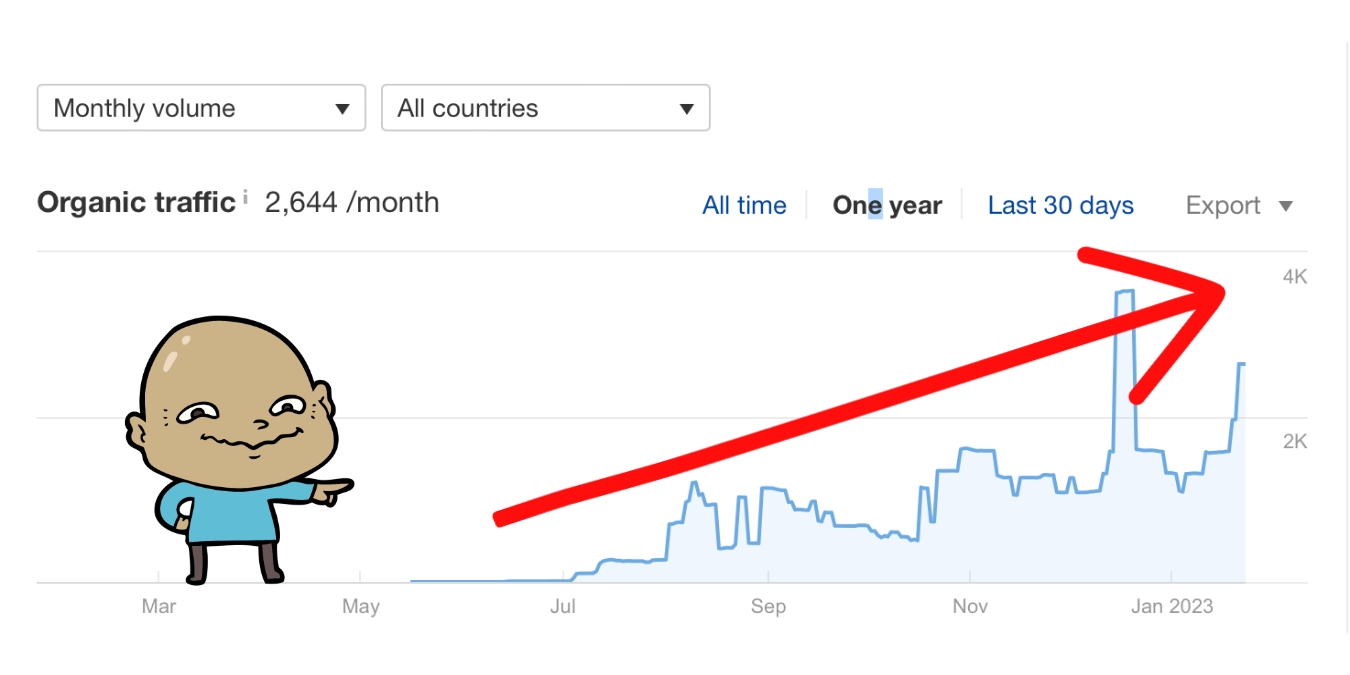
    organic traffic report

    The different types of SEO services that may be offered:

    • General SEO
    • Technical SEO
    • Local SEO
    • National SEO
    • Enterprise SEO
    • On-Page SEO
    • Off-Page SEO (Backlinks, Guest Posts, etc.)
    • White Hat SEO
    • Black Hat SEO
    • Gray Hat SEO
    • Ecommerce SEO
    • Content-Driven SEO
    • YouTube SEO
    • Amazon SEO


    I’m sure there’s more, but that’s enough for now.

    You may be wondering, “Do I need SEO services for my business?”

    Maybe, maybe not.

    Before you hire an SEO company you need to understand the behavior of your market, the goals of your organization, & the competitors that you face online.

    Knowing these 3 things forces you to match your objectives with the most effective marketing methods.

    If you do decide to invest in your organic traffic, then you need to understand how search engine optimization works.

    HOW SEARCH ENGINE OPTIMIZATION WORKS

    Search engine optimization works by matching search queries with web results.

    Typically in the form of a web page or blog post.

    search results for "search results"

    Other forms of media that may appear during search results are:

    • Images
    • Videos
    • .PDFs
    • Ads (sorry not sorry)
    • Knowledge Panels (Think Wikipedia)
    • Structured Snippets
    • People Also Ask Questions
    • Google Verified Businesses

    Google’s goal is to give you the most relevant option for the question (or query) supplied.

    Search engines have no bias, & they rank content by filtering pages through hundreds of algorithms, each programmed with its ranking factors.

    In other words, this is how you get information every time you perform a search.

    THE GOAL OF AN SEO COMPANY

    An SEO Company’s goal should be to bring you more organic traffic and convert that traffic into paying customers.

    As an SEO Agency, we focus mainly on Content-Driven SEO because that is what moves the needle when attempting to rank a website.

    Approaching topical authority allows your site to rank for more targeted keywords, which plays a huge role in SEO success.

    topical coverage = topical authority

    To show up in the search results for particular search terms, you need to have those keywords properly integrated throughout your website.

    In the SEO realm, this is known as on-page optimization.

    If you have no idea where your site stands with Google you can get an SEO Audit, complimentary of our team.

    Getting a website audit every once in a while is a good idea because it shows you the keywords you rank for, where your organic search traffic comes from, keywords that you could potentially rank for, how your competitor’s site’s fair, & more.

    Before hiring an agency you should have your website audited by professionals to make sure you’re investing in SEO services that will be helpful to your business.

    DOING KEYWORD RESEARCH

    If you plan to go the DIY route, then you need to learn how to do keyword research.

    Knowing the proper keywords to target is imperative in showing up in major search engines.

    Therefore, unless your site has a ton of authority (very high domain rating), you most likely won’t be able to compete for highly competitive terms with high search volume, at least not when you’re first getting started.

    Instead, you should go after terms that are less difficult but could still be very lucrative to your business.

    The 4 different types of keyword intent are:

    1. Informational
    2. Commercial
    3. Navigational
    4. Transactional


    If you’re selling services, your money pages will likely include lots of commercial terms such as “Roof Repair Services”, “Metal Roof Installation”, etc.

    On the other hand, if you own a blog then all of your content will be informational, although you can monetize your site through affiliate marketing, ad placements, or other creative means.

    For commercial businesses, we still recommend writing informational/educational content to help nurture prospects along your sales pipeline, because most of the market is not ready to buy right now.

    TECHNICAL SEO IS A DRAG

    Technical SEO has to do with the technical elements of your website, such as your page loading speeds, URL structure, meta descriptions, page titles, header tags, image sizes, etc.

    YIKES.

    Such a drag.

    But you need a high-performing site to make things easy for Google’s bots to crawl, index, & rank your web pages.

    Having a fast/responsive site also provides a good experience for new and returning users, so it’s something that you should definitely be focused on.

    >Get My FREE Website Audit NOW<<

    If you want to audit your own site, you can use Screaming Frogs Free SEO Tool.

    LETS RECAP

    • SEO services should help you generate more targeted organic traffic, leading to more conversions and sales for your business
    • Get a Website Audit before investing in SEO Services
    • Content-Driven SEO is what really moves the needle
  • Basic Principles of SEO to Always Follow

    Basic Principles of SEO to Always Follow

    There is no doubt that if you want to improve your overall rankings on the major search engines, there are some central principles of SEO that you should follow, which will help you out a great deal along the way. Ultimately, the more focus and effort that you place on SEO, the more likely it is that you are going to be able to achieve the business goals that you have set out for yourself. So, let’s check out a few of the major principles of SEO that you should be bearing in mind at all times.

    Focus on Publishing Great Content

    Whether you use an SEO management company to help out with the overall production of the content or you are going to try to do this on your own, there is no doubt that you need to be placing a great deal of focus on continuously publishing great content that can be held as an authoritative source of information. Ultimately, this has a major impact on ensuring that your business is treated with the level of respect that it deserves. Not only this, but it is also going to be better in terms of attaining those all-important likes and shares that you need to keep on getting.

    Keep Making Updates

    At the same time, while it is always going to be highly important that you put out great content, you cannot simply assume that you can do this once or twice and it will all stand the test of time. Instead, you are going to need to make sure that updates are made on a regular basis which will help the major search engines see that your site is not just a dead one that never has any type of updates to show off – this will also make sure that any deadlinks are removed and any changes to content are made, keeping the value high for the reader.

    Make Your Website Quick

    There are a couple of major benefits out there that are going to be involved in ensuring that your site is as speedy as it possibly can be. Right at the top of the list, it is going to have a major impact in terms of the way in which it is ranked in SEO terms. However, there is also plenty to be said in terms of the overall user experience. People expect a service that is quick and effective in the modern world and are unlikely to sit on a website loading page over an extended period of time.

    Keep on Reviewing Your Progress

    Unless you are constantly looking at what you have achieved so far and the different ways that you can improve, you are going to find it seriously difficult to be able to keep on making gains. Therefore, it is certainly going to be worth looking at how well you are doing from time to time to work out exactly where you are able to make some gains. Find measurable ways to check your progress and make achievable targets to make sure you stay on track.

    All of these basic SEO principles are bound to help you to achieve great things.